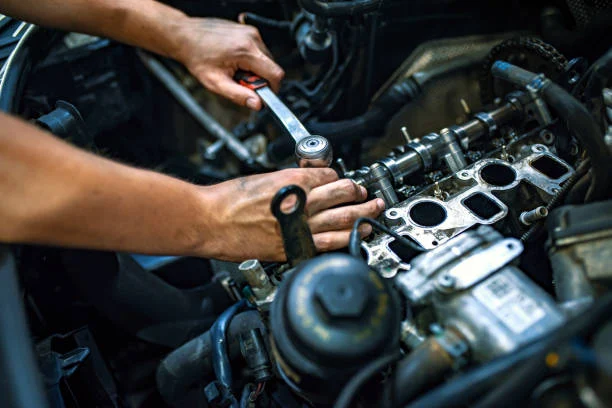
Regular vehicle servicing is essential for maintaining safety, performance, and long-term reliability. At MotionMotive Automotive Services, we recognise that consistent maintenance is a key part of responsible vehicle ownership. A well-planned Brisbane automotive service routine helps ensure that critical systems function correctly, reducing the risk of breakdowns and improving everyday driving confidence.
Australian driving conditions place constant demands on vehicles. From stop-start city traffic to longer motorway drives, routine servicing supports smooth operation and dependable performance. By addressing wear early and maintaining key components, regular servicing helps vehicles remain safe and reliable over time.
What Regular Vehicle Servicing Involves
Vehicle servicing consists of scheduled inspections and maintenance tasks designed to keep a vehicle operating as intended. Rather than reacting to problems once they occur, servicing focuses on early detection and preventative care.
A standard automotive service generally includes:
- Engine oil and filter checks
- Brake system inspections
- Tyre condition and pressure assessment
- Steering and suspension checks
- Battery and electrical system testing
- Inspection of belts, hoses, and fluid levels
Each of these areas contributes to overall vehicle safety and performance. Regular attention helps ensure systems work together efficiently and consistently.
How Regular Servicing Improves Vehicle Safety
Safety is one of the most important outcomes of routine servicing. A vehicle that is regularly inspected and maintained is better prepared to respond to sudden changes in traffic or road conditions.
Brake System Reliability
Brakes are one of the most critical safety systems in any vehicle. During auto service repair, brake pads, discs, fluid, and lines are inspected for wear and performance. Over time, braking components naturally deteriorate, which can reduce stopping power and responsiveness.
Regular brake inspections help ensure consistent braking performance, shorter stopping distances, and better control in emergency situations, particularly in wet or high-traffic conditions.
Tyres and Road Contact
Tyres are the vehicle’s only contact point with the road. Servicing includes checking tread depth, tyre pressure, and wear patterns. Incorrect tyre pressure or uneven wear can reduce traction and stability.
Well-maintained tyres support predictable handling, improved grip, and reduced risk of skidding or blowouts, making them a vital part of safe driving.
Steering and Suspension Stability
Steering and suspension systems help keep the vehicle balanced and responsive. Worn components can lead to poor handling, vibration, or reduced control. Routine inspections ensure that these systems continue to support safe cornering, braking, and overall stability.
How Servicing Enhances Vehicle Performance
Performance extends beyond speed. It includes smooth acceleration, reliable handling, and efficient operation across all driving conditions.
Engine Efficiency and Operation
A regularly serviced engine runs more smoothly and efficiently. Oil changes, air filter inspections, and fluid checks help reduce friction and heat, supporting consistent performance. Clean and well-lubricated components place less strain on the engine, contributing to smoother operation during daily driving.
Transmission and Drivetrain Function
Transmission servicing plays an important role in overall vehicle performance. Inspections help ensure smooth gear changes and reduce unnecessary wear on drivetrain components. This is especially important in urban driving conditions where frequent stopping and starting occurs.
Electrical System Reliability
Modern vehicles rely heavily on electrical systems. Battery testing and electrical inspections help ensure reliable starting and stable operation of onboard systems. Early detection of electrical issues reduces the risk of unexpected failures.
Preventative Maintenance and Long-Term Reliability
Preventative maintenance is one of the key benefits of regular servicing. Identifying minor issues early allows them to be addressed before they develop into larger problems.
Examples of issues commonly identified during routine servicing include:
- Small fluid leaks
- Worn belts or hoses
- Early brake wear
- Declining battery performance
Addressing these concerns early helps maintain vehicle reliability and reduces the likelihood of unexpected downtime.
Understanding Vehicle Service Schedules
Most vehicles follow manufacturer-recommended service intervals based on time or kilometres travelled. These schedules are designed to ensure components are inspected and maintained before excessive wear occurs.
Following a consistent service schedule helps maintain warranty requirements where applicable and supports long-term vehicle care. Keeping clear service records also helps track maintenance history and informs future servicing decisions.
The Importance of Choosing the Right Service Provider
Selecting a reliable service provider is an important part of vehicle maintenance. Experienced automotive shops provide thorough inspections and clear explanations of vehicle conditions.
Working with a trusted mechanic in Woolloongabba area drivers rely on can offer local insight into common vehicle issues related to traffic patterns, road conditions, and climate. Clear communication and consistent servicing help drivers stay informed and confident about their vehicle’s condition.
Key Areas Where Regular Servicing Makes a Difference
| Vehicle Component | Safety Benefits | Performance Benefits |
| Brakes | Reliable stopping power | Smooth braking response |
| Tyres | Improved traction | Stable handling |
| Engine | Reduced risk of failure | Consistent power delivery |
| Suspension | Better vehicle control | Improved driving comfort |
| Electrical | Reliable starting | Stable system operation |
Why Routine Servicing Matters for Everyday Driving
Daily driving places ongoing demands on vehicles. From commuting to longer trips, regular servicing helps ensure vehicles remain dependable and responsive. A consistent brisbane automotive service routine supports safe handling, predictable braking, and reliable performance across a wide range of conditions.
Regular vehicle servicing is a fundamental part of maintaining safety, performance, and long-term reliability. By consistently inspecting and maintaining key systems such as brakes, tyres, steering, suspension, and engine components, drivers can reduce the risk of unexpected issues and ensure their vehicle responds predictably in everyday driving situations. Routine maintenance supports smoother operation, improved handling, and greater confidence behind the wheel, particularly in changing road and traffic conditions.
Conclusion
A structured Brisbane automotive service routine also plays an important role in preserving overall vehicle condition over time. Preventative maintenance allows potential concerns to be identified early, helping to avoid unnecessary strain on major components and supporting dependable operation throughout the vehicle’s lifespan. This proactive approach benefits both short-term driving safety and long-term reliability.
At MotionMotive Automotive Services, we recognise that regular servicing is not just about keeping a vehicle running, but about supporting responsible vehicle ownership. Consistent automotive care helps drivers stay informed about their vehicle’s condition, maintain performance standards, and approach every journey with greater peace of mind. By prioritising routine servicing, vehicle owners can continue to enjoy safe, reliable, and well-balanced driving across Brisbane roads.
For more information about vehicle servicing or maintenance support, scroll down to contact us.
You can also explore our full range of automotive services to learn more about routine vehicle care options.
Frequently Asked Questions
How often should a vehicle be serviced?
Most vehicles should be serviced according to manufacturer guidelines based on time or kilometres driven.
Does regular servicing improve vehicle safety?
Yes. Routine servicing helps ensure brakes, tyres, steering, and other critical systems are functioning correctly.
What is included in a standard automotive service?
A standard service includes inspections of brakes, fluids, tyres, engine components, suspension, and electrical systems.
Can servicing help prevent unexpected breakdowns?
Preventative maintenance helps identify early signs of wear, reducing the risk of sudden failures.
Why is local automotive service important?
Local providers understand regional driving conditions and can deliver consistent, personalised vehicle care.